
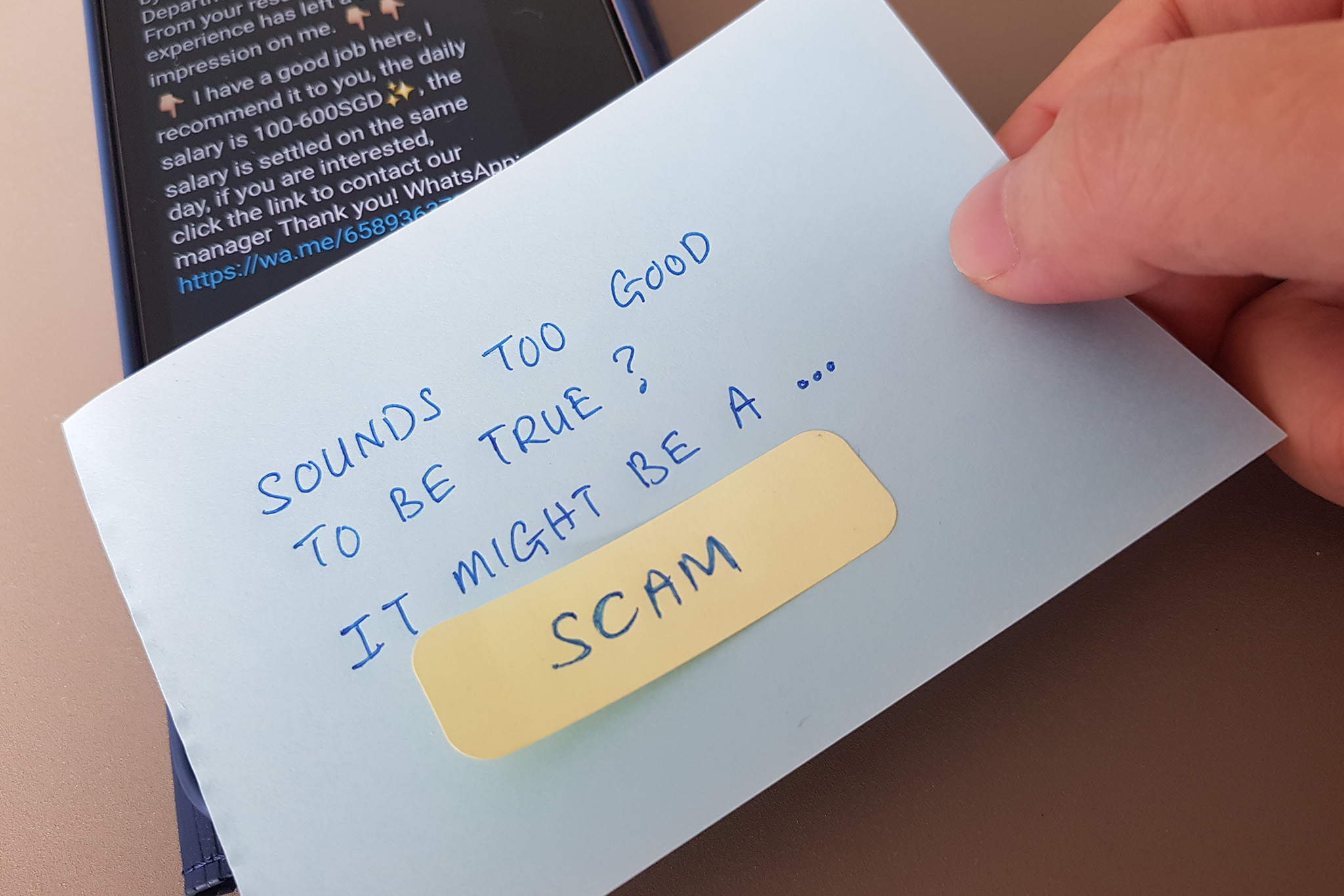
Finding an aviation job can already feel stressful enough.
You update your CV. You check job boards. You apply for pilot, cabin crew, aircraft maintenance, ground handling, airport operations, or cadet opportunities. Then one day, a message arrives from someone who says they are a recruiter.
The role sounds perfect.
The airline looks familiar.
The salary is attractive.
The location matches what you wanted.
The process seems fast.
And after weeks or months of searching, it feels like the opportunity you were waiting for.
That is exactly why fake aviation job offers can be so dangerous.
Scammers do not only target people who are careless. They target people who are hopeful, under pressure, relocating, upgrading, changing aircraft type, trying to enter aviation, or looking for a better contract. In aviation, where jobs often involve international moves, license checks, medicals, visa paperwork, training costs, and urgent hiring timelines, a fake offer can look surprisingly believable.
Today’s job scams are no longer limited to badly written emails with obvious mistakes. AI tools can help scammers write polished recruiter messages, copy real company language, create fake profiles, and personalize outreach based on your LinkedIn, CV, license, aircraft type, or previous employer.
That means aviation candidates need to stay alert, even when the message looks professional.
Table of Contents
Why Aviation Job Seekers Are Attractive Targets
Aviation recruitment often has several features that scammers can exploit.
Many roles are international. Pilots, engineers, cabin crew, instructors, and ground staff may apply across countries, regions, and regulatory systems. That makes it easier for scammers to hide behind time zones, remote communication, and unfamiliar hiring procedures.
Many jobs involve documentation. Aviation candidates are used to sharing licenses, medical certificates, logbooks, passports, training records, background checks, and references. This creates opportunities for scammers to request sensitive data too early.
Some roles involve training or relocation costs. Cadet programs, type ratings, visa support, accommodation, uniform deposits, or documentation fees can be used as excuses for fake payments.
And many candidates are under pressure. A pilot may be chasing command time. A First Officer may want a better roster. An engineer may need a new approved type. A cabin crew candidate may be trying to enter the industry. A cadet may be looking for a first real opportunity.
Scammers understand that urgency.
How Fake Aviation Recruiters Usually Start
The first message often looks simple and professional.
A “recruiter” says they found your profile online. They may mention your aircraft type, license, nationality, language skills, or previous company. They may say an airline, ACMI operator, MRO, airport services company, or private aviation employer is hiring urgently.
The message may come through email, LinkedIn, WhatsApp, Telegram, Signal, Facebook, or even Instagram.
At first, nothing looks obviously wrong.
They may send a job description.
They may ask for your CV.
They may schedule a quick interview.
They may praise your background.
They may say you are shortlisted.
They may send a contract or offer letter.
Then the request changes.
They ask for money.
They ask for sensitive documents too early.
They ask you to move to a private messaging app.
They ask you to pay a “processing fee.”
They ask you to book training through their “approved partner.”
They ask you to send banking details before a proper contract is verified.
That is when the opportunity starts becoming dangerous.
The Fake Aviation Job Scam Playbook
1. The Fake Airline Recruiter
This scam uses the name of a real airline, aviation group, or recruitment agency.
The scammer may copy a real recruiter’s LinkedIn profile, use a similar photo, and create an email address that looks close to the real company domain. They may send a professional-looking offer letter with logos, signatures, and company branding.
The job may even be based on a real vacancy.
The difference is that the person contacting you is not the real recruiter.
Common warning signs include:
- Email from a free provider such as Gmail, Yahoo, Outlook, or ProtonMail
- A domain that looks similar but is not official
- Pressure to respond quickly
- Request to continue only on WhatsApp, Telegram, or Signal
- Offer letter before a proper interview
- Poorly explained fees or document charges
In aviation, this can appear as a pilot offer, cabin crew assessment invitation, engineer contract, ground staff position, or airport operations role.
2. The Pay-to-Apply Scam
Legitimate aviation hiring may involve documents, medicals, background checks, or training steps. Scammers use that reality to make fake fees sound normal.
They may ask candidates to pay for:
- Application processing
- Interview scheduling
- Background verification
- Visa handling
- Uniforms
- Security clearance
- Airport ID
- Training registration
- Medical appointment booking
- “Guaranteed shortlist” access
A serious employer or professional recruiter should be able to clearly explain the process, who pays for what, and why. If payment is requested before you can verify the employer, the recruiter, and the official hiring process, stop and check.
3. The Fake Type Rating or Training Requirement
This is especially risky for pilots and cadets.
A fake recruiter may tell you that you are selected for a First Officer role, but you need to complete a “mandatory” type rating, assessment, simulator check, or online certification through a specific provider.
The course may look official. The website may have aviation images, fake testimonials, logos, and professional wording. The scammer may promise that once you pay, the job is guaranteed.
But after payment, the recruiter disappears.
Be careful with any offer that connects employment to a fast, expensive, non-transparent training payment. Real aviation training pathways exist, but they should be verifiable through official company channels, approved training organizations, and written terms.
4. The Fake Cabin Crew Assessment Invitation
Cabin crew candidates are often targeted because entry-level aviation roles attract high interest.
A fake recruiter may invite candidates to an “open day,” “assessment day,” or “final interview” and ask for a registration fee, document fee, uniform fee, or travel booking fee.
They may also request passport copies, photos, measurements, and personal data before the candidate has verified the opportunity.
A real cabin crew recruitment process should be connected to the airline’s official career page, recognized recruitment partner, or verified job platform. If the assessment invitation is not listed anywhere official, check before you send anything.
5. The Engineer Documentation Scam
Aircraft engineers and technicians may be asked to share licenses, certificates, approvals, training records, passports, and employment history.
Scammers can use these documents for identity theft, fake applications, or further fraud.
Be especially careful if someone asks for:
- Passport scans too early
- License copies before employer verification
- Full date of birth and home address
- Bank account information before a signed and verified contract
- Copies of certificates through unsecured links
- Uploads to unknown portals
You can share professional information during a real recruitment process, but the order matters. Verify the company and recruiter first.
6. The “Too Fast” Offer
Aviation hiring can move quickly, especially when operators need crew, engineers, instructors, or seasonal staff. But real hiring still has structure.
Be cautious if the process looks like this:
- One short text interview
- No video call or official interview
- No clear recruiter identity
- No proper license or experience check
- Immediate offer
- Immediate request for payment or documents
- Pressure to decide the same day
Fast hiring is not always fake. But pressure plus poor verification is a serious warning sign.
How AI Makes Aviation Job Scams Harder to Spot
In the past, many scams were easy to identify because the language was strange, the formatting was poor, or the job description looked unrealistic.
That is changing.
AI can help scammers write emails that sound professional. It can rewrite job descriptions in aviation language. It can mention aircraft types, license names, rosters, relocation, and salary packages in a way that sounds convincing.
Scammers can also use public information from LinkedIn, job boards, and social media to personalize messages.
For example, they may say:
“We noticed your A320 experience.”
“We are looking for EASA B1 engineers.”
“Your cabin crew background fits our Middle East client.”
“We saw your interest in cadet pilot opportunities.”
“Your previous ACMI experience is suitable for this urgent contract.”
Personal does not always mean legitimate.
A scammer can sound like they know your aviation background because your aviation background is visible online.
The Biggest Red Flags in Aviation Job Offers
Aviation candidates should slow down when they see any of these warning signs:
- The recruiter refuses to use an official company email
- The email domain is slightly different from the real company domain
- The offer is made without a proper interview
- The salary is much higher than normal for the role or region
- The job description is vague but the offer is urgent
- You are asked to pay before the employer is verified
- You are told the fee is refundable after joining
- You are asked for passport, bank details, or personal documents too early
- The recruiter only wants to speak on WhatsApp, Telegram, or Signal
- The company website has no matching vacancy
- The recruiter profile looks new, incomplete, or copied
- You are pushed to decide immediately
- The process avoids official career pages or verified job platforms
One red flag does not always prove a scam. Several together should make you stop.
How to Verify an Aviation Job Offer
Before you reply, pay, or send sensitive documents, take a few minutes to check the opportunity.
Check the official company website
Go directly to the airline, MRO, airport, aviation group, or recruitment agency website. Do not rely only on links sent by the recruiter.
Look for the vacancy on the official career page.
Check the email domain
A real recruiter should usually contact you from an official company or agency domain. Be careful with lookalike domains that add extra words, hyphens, or unusual endings.
For example, a fake domain may look close to the real one but not match it exactly.
Start a new communication thread
Do not only reply to the original message. Find the company’s official contact details and ask whether the recruiter and vacancy are real.
Check the recruiter profile
Look at the recruiter’s LinkedIn profile carefully.
Does it have a real work history?
Does it connect to the official company page?
Does the name match the email address?
Does the profile look recently created?
Are other people interacting with it normally?
Be careful with payment requests
Never rush into paying application, training, visa, uniform, assessment, or processing fees without verifying the employer through official channels.
Protect your documents
Do not send passport copies, licenses, medical certificates, logbooks, or bank details until the company, recruiter, and process are verified.
Use trusted aviation job platforms
Verified job platforms can reduce risk because employers and vacancies are reviewed before publication. Still, candidates should always remain careful, especially when communication moves outside the platform.
What to Do If You Suspect a Fake Aviation Job
If something feels wrong, do not ignore that feeling.
Stop communication until you verify the recruiter.
Do not send money.
Do not send more documents.
Take screenshots of the messages, email addresses, profiles, and payment requests.
Contact the real company through official channels.
Report fake profiles to LinkedIn, Facebook, Instagram, or the platform where they appeared.
Warn other candidates if the scam is clearly impersonating a known aviation employer.
If you already sent sensitive documents, consider contacting the relevant authorities, your bank, and the document-issuing authority where needed.
A Real Aviation Opportunity Should Survive Verification
The most important rule is simple:
A real opportunity will not disappear because you asked to verify it.
A serious recruiter will understand why you want to confirm their identity. A legitimate employer will not pressure you to send money through unclear channels. A professional hiring process will not rely only on urgency, secrecy, and private messaging apps.
Aviation careers are built on trust, compliance, safety, and documentation. Recruitment should follow the same standard.
So when a job offer feels too good to be true, slow down.
Check the domain.
Verify the recruiter.
Protect your documents.
Question urgent payment requests.
Use official company channels.
And do not let excitement make the decision for you.
Your next aviation job should move your career forward, not put your identity, finances, or confidence at risk.