
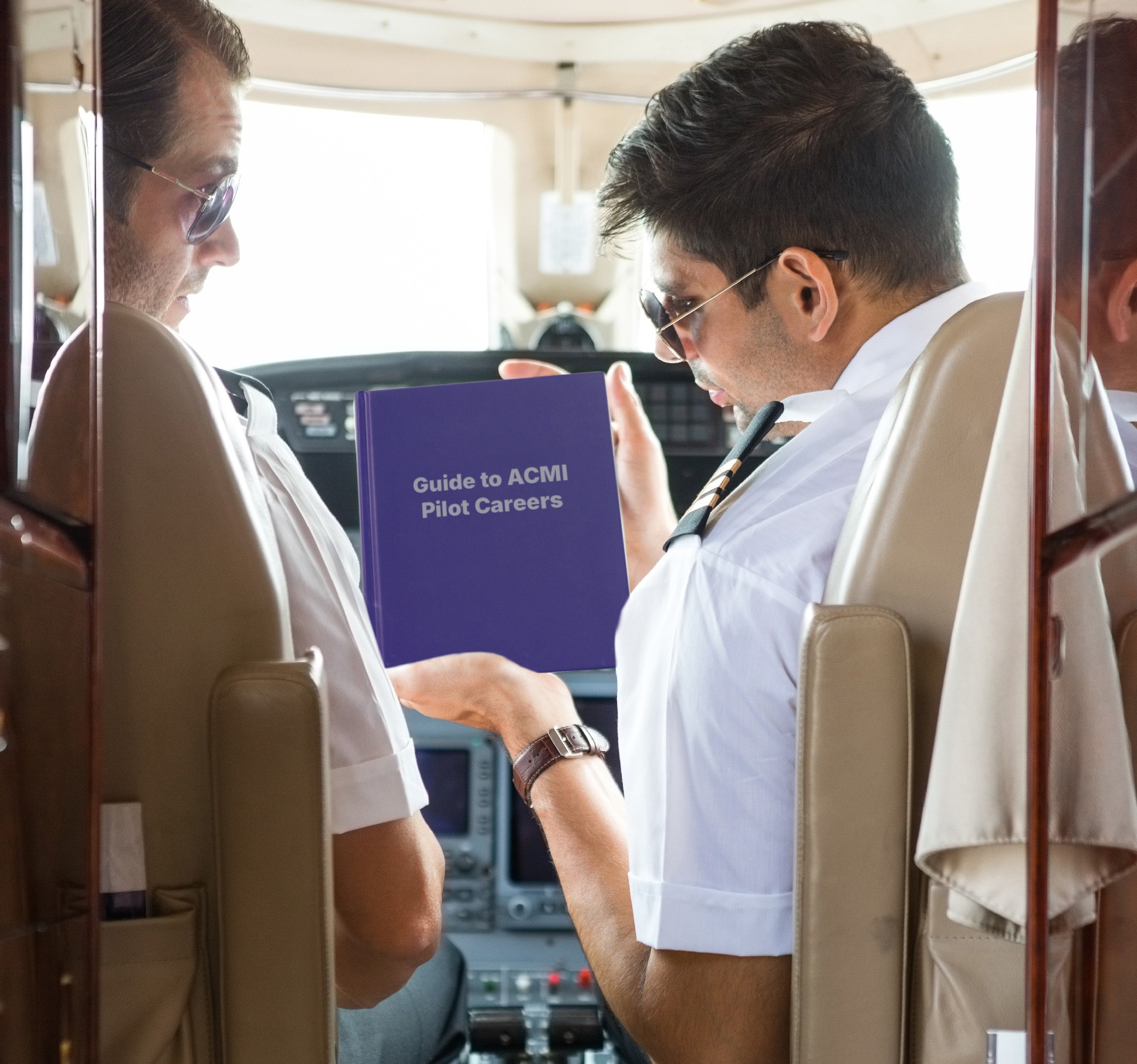
When most pilots think about their career, the focus is simple: getting into the cockpit.
What often gets less attention is where that cockpit sits in the industry.
Legacy airlines, low-cost carriers, cargo, business aviation, ACMI operators. Each path offers a different experience, different pace, and different career progression.
One of the most overlooked, yet increasingly important, is ACMI.
In today’s aviation hiring environment, ACMI is not a niche. It is a key part of how airlines operate and how pilots enter the industry.
Table of Contents
What ACMI Means for Pilots
ACMI stands for Aircraft, Crew, Maintenance, and Insurance.
But beyond the acronym, it defines the entire operational model you work in as a pilot.
An ACMI operator provides the aircraft, the crew, the maintenance standards, and carries the operational responsibility for the flight. The client airline takes care of everything else, including fuel, airport handling, scheduling, and passengers.
This creates a unique environment where you operate under one company’s procedures while flying for multiple airlines, often across different countries.
For pilots, this means one thing: variety becomes part of the job, not the exception.
Why ACMI Is Becoming a Key Career Path
ACMI exists because airlines need flexibility.
Seasonal demand, fleet shortages, operational disruptions. Instead of committing to long-term capacity, airlines rely on ACMI providers to scale up quickly.
That demand directly impacts hiring.
ACMI operators often recruit continuously, and in many cases, faster than traditional airlines. The focus is not just on filling positions, but on maintaining operational readiness.
For pilots, especially early in their careers, this creates more accessible entry points into commercial aviation.
Aircraft Types and Career Value
Most ACMI operations are built around narrow-body aircraft like the Boeing 737 and Airbus A320 families.
These aircraft dominate short- and medium-haul operations globally.
From a career perspective, this matters more than it might seem.
Flying widely used aircraft types helps you:
- Keep your experience relevant across airlines
- Maintain strong transferability between operators
- Stay competitive in future hiring processes
Instead of building experience in a niche environment, you are developing skills that remain valuable across the market.
Operations and Pilot Lifestyle
This is where ACMI stands out the most.
Unlike traditional airlines, where routes and bases are relatively stable, ACMI operations are driven by contracts.
You might operate from different bases, fly for multiple client airlines, and adapt to new environments regularly.
Typical rotation patterns, such as 20 days on and 10 days off, are common across the industry.
For some pilots, this offers a strong advantage. Longer uninterrupted time off and less repetitive flying.
For others, the lack of routine can be challenging.
The reality is simple: ACMI suits pilots who value flexibility and variety over predictability.
ACMI vs Traditional Airlines
The biggest difference is not the aircraft or the flying itself. It is the structure around it.
Traditional airlines typically offer stable bases, predictable networks, and seniority-based progression.
ACMI operators offer a different model, built around flexibility, contract-driven operations, and faster deployment.
Neither path is better or worse. They serve different career goals.
The key is understanding which environment fits your expectations and long-term plans.
Entry Paths and Career Start
One of the biggest challenges in aviation is transitioning from training to your first airline role.
ACMI has become one of the main ways this gap is being addressed.
Through structured pathways such as the Multi-Crew Pilot License, pilots can move directly from training into multi-crew operations.
These programs focus on:
- Simulator-based airline training
- Multi-crew cooperation from early stages
- Direct transition into First Officer positions
This reduces the time between qualification and becoming operational, which is one of the biggest barriers in aviation careers.
What This Means for Your Career
ACMI is not just an alternative option. It is a different way to build your career.
It offers:
- Faster entry into commercial aviation
- Broader operational experience early on
- Exposure to different airlines, routes, and environments
At the same time, it requires adaptability and comfort with change.
Understanding these trade-offs is essential before choosing your path.
Bottom Line
ACMI careers are often overlooked because they do not follow the traditional airline narrative.
But in reality, they play a critical role in modern aviation and in how pilots enter the industry.
For many, especially early-career pilots, ACMI offers one of the most practical ways to gain experience, build hours, and stay flexible for future opportunities.
If you are exploring pilot opportunities, understanding how ACMI works can help you make more informed decisions about your next step.
Explore current ACMI pilot jobs and training pathways on AviationCV and see where this path can take you.